Showing posts with label infertility. Show all posts

Thursday, 11 May 2023

Pain of a Mother after Baby Birth…

A great deal occurs in the initial not many days after the birth of your child. There'll be physical and enthusiastic changes. You'll deliver colostrum to take care of your child before your bosom milk begins. You'll take care of your child a great deal, and not doing a lot.

In the week or somewhere in the vicinity after birth, you'll drain from your vagina. The blood is called lochia. It is dazzling red and substantial, and might have clusters. This is ordinary, however on the off chance that you pass coagulation greater than a 50 penny piece or notice an awful stench, tells your birthing specialist. You can hope to see lochia for 4 to about a month and a half. In the end it will become lighter, rosy brown or pink. Numerous things are occurring in your body just after you have a child. During pregnancy, your body changed a ton. It endeavored to keep your child protected and sound. Since your child is here, your body is evolving once more. A portion of these progressions are physical, similar to your bosoms getting brimming with milk. Others are passionate, such as feeling additional pressure.

A few ladies have torments for a couple of days after birth. After-birth torments can feel like work agonies or gentle to direct period torment. This aggravation comes from your uterus contracting towards its pre-pregnancy size. They are more normal in ladies who have had different infants than in ladies who have recently had their first child.

·         Your body changes a lot after you give birth. Some changes are physical and others are emotional.

·         Learn about common postpartum discomforts and what do to about them. If you’re worried about a discomfort, call your health care provider.

·         Talk to your provider before you take any medicine to treat a discomfort. If you’re breastfeeding, some medicines aren’t safe for your baby.

·         Go to all of your postpartum checkups, even if you’re feeling fine. Some health conditions after pregnancy need medical care.

Your body has recently done perhaps the most noteworthy things it will at any point do: become another person. Following 9 months of pausing, you are likely eager to at last be home with your new child. A lot of your concentration and energy during the coming many months will be on child yet recollect that you additionally need to deal with yourself, as well.


Thursday, 2 February 2023

Why is Periods Often Late?

period that is off plan doesn't generally mean you're pregnant. Here are seven different reasons your period could be late. In case you're sitting tight for a late period, there's one idea that is reasonable going through your brain: Am I pregnant? "Everyone believes they're pregnant when their period is late. In any case, mensuration could be late for an assortment of reasons, and it doesn't generally highlight pregnancy.

·         Weight loss: Regardless of whether you're overweight or underweight, any adjustment of pounds can influence your month to month cycle.

·         Breastfeeding: Your period may not show up after your child is conceived, yet don't be frightened! In case you are breastfeeding your little one, an absence of periods is totally ordinary.

·         Extreme Exercise: Outrageous exercise can cause changes in pituitary chemicals and thyroid chemicals, which can affect ovulation and monthly cycle.

·         Medications: A few meds, like antidepressants, antipsychotics, thyroid drugs, anticonvulsants, and some chemotherapy prescriptions, may make your period be missing or deferred.

·         Stress: A little pressing factor in your life is fine; anyway continuous pressing factor can remove your body from harmony. Stress sanctions the compound cortisol and drives your body into perseverance mode.

·         Thyroid dysfunction: Issues with your thyroid, like hypothyroidism and hyperthyroidism, can upset your feminine cycle.

·         Recently Started Periods: An ordinary period endures from 21 to 35 days in sound ladies, yet it can shift. This is particularly valid for young ladies who are simply beginning to get their periods, or for ladies who have not had periods for quite a while and are beginning once more.

·         Polycystic Ovary Syndrome (PCOS): Little is thought about what causes this sickness, however around 5,000,000 ladies in the United States might be influenced by PCOS. Like thyroid brokenness, PCOS can cause a hormonal unevenness in your body, causing missed periods.

Pregnancy is by a long shot the most widely recognized reason for a missed period, yet there are some other clinical and way of life factors that can influence your monthly cycle. Outrageous weight reduction, hormonal inconsistencies, and menopause are amon


g the most widely recognized causes in case you're not pregnant. You may miss a period for a couple of months, or you may encounter total amenorrhea that is, no period for at least three months straight.

Thursday, 5 January 2023

Is coffee bad for PCOS?

One of the stimulants that people consume the most frequently is caffeine.  It can be found in a wide range of foods and drinks, including as coffee, tea, and chocolate, items made with cocoa, soft drinks, and energy drinks. Additionally, it is increasingly being utilised as a component in prescription and over-the-counter drugs for the treatment of colds, the flu, headaches, menstruation symptoms, weight reduction, and stimulation of the central nervous system.

Adenosine, adrenergic, cholinergic, -aminobutyric acid, and serotonin receptors are just a few of the receptors that caffeine interacts with to have an effect on the body. Because caffeine crosses the placental barrier, its elimination half-life lengthens in late gestation, and newborns do not properly metabolise caffeine until they are 3 months old, there are concerns about caffeine consumption during pregnancy or nursing.

Caffeine is a stimulant and a diuretic. It raises your heart rate and blood pressure, both of which are not advised during pregnancy. Caffeine too increases the frequency of urination. This results in a drop in your body's fluid levels, which can induce dehydration.

The placenta allows caffeine to reach your infant. Because it is still growing, your baby's metabolism cannot completely break down the caffeine. In the later stages of pregnancy, any amount of coffee might also alter your baby's regular activity or sleep patterns. Numerous studies have linked excessive coffee consumption to postponed conception. Women planning to become pregnant should take folic acid, a type of B vitamin, and avoid alcohol and tobacco smoke. Taking a multivitamin really helps. Not all multivitamins are secure and most specialists suggest a specially formulated prenatal vitamin.


Thursday, 22 December 2022

Does PCOS patient get pregnant?

PCOS, or polycystic ovarian syndrome, is one of the most frequent reasons of infertility in women, affecting at least 10% of them. Mira is used by a large number of women with PCOS to follow their cycles and achieve healthy conception and pregnancy. Women with PCOS frequently have ovaries with several small, painless cysts, as well as elevated testosterone levels or a lack of ovulation. PCOS can cause irregular periods due to the hormonal imbalance it causes.

A disorder known as polycystic ovary syndrome is one of the most prevalent causes of infertility in women (PCOS). It's a hormonal imbalance that affects the reproductive system. Your ovaries are bigger than normal if you have PCOS. Many small cysts containing immature eggs can be seen in these larger ovaries.

Some of the same actions that women without PCOS should follow for a good pregnancy ap


ply to women with PCOS.

Have your weight and body mass index (BMI) measured by your doctor.

·         Start a healthy diet and exercise plan.

·         Use an ovulation calendar or app to track when you have your period.

·         Check your blood sugar levels

If you have PCOS and are attempting to conceive, medicines may be all you need. According to a medical research, over 80% of women with PCOS who were given the medication clomiphene citrate ovulated successfully. Within six period cycles, half of the women became pregnant naturally. If medicine fails to help you conceive, your doctor may suggest IVF therapies. With IVF therapy, most women with PCOS have a 20 to 40% chance of becoming pregnant. Women above the age of 35, as well as those who are overweight, have a reduced probability of becoming pregnant.

Thursday, 15 December 2022

Does PCOS cause hair loss?

PCOS (polycystic ovarian syndrome) is a hormonal imbalance that can result in a variety of symptoms, including hirsutism (excess face and body hair). While many people with PCOS have thicker hair on their faces and bodies, others have hair thinning and loss, known as female pattern hair loss.

Male hormones, often known as androgens, are produced by the female body. Among them is testosterone. Androgens are responsible for initiating puberty and promoting hair development in the underarms and pubic regions. They also serve other vital purposes. PCOS produces an increase in androgen production, which leads to virilization. This refers to the emergence of more male characteristics, such as extra hair in areas where it does not normally grow, such as the:

·         Face

·         Neck

·         Chest

·         Abdomen

Androgenic alopecia, or male pattern baldness, is caused by a hormonal imbalance and has the following symptoms:

·         The frontal and parietal (side) portions of the scalp lose the most hair.

·         The hair in the parting area thins dramatically.

·         Above the temples, the hairline begins to retreat.

Home remedies

There are also PCOS hair loss home treatments. Shampoos developed for thinning hair may foster new hair development and protect hair when used with moisturising shampoos and conditioners for damaged and color-treated hair.

Other at-home cures include using natural bristle brushes, which are softer and kinder on hair than synthetic bristles, and putting a pick on hair before brushing to minimise over-pulling and breaking. It's also a good idea to avoid hairstyles that exert too much strain on the hair, such as high ponytails or buns.


Friday, 9 December 2022

How Does PCOS Affect Fertility?

Polycystic ovarian syndrome is a condition associated with an imbalance in female sex hormones, according to experts. A woman's fertility may be harmed as a result of the imbalance, which can cause a number of symptoms. Every month, on the surface of the ovary, tiny fluid-filled cysts known as follicles grow in women of reproductive age. Female sex hormones, particularly estrogen, cause one of the follicles to create a mature egg. The egg then bursts loose from the follicle after being released by the ovary. Women with polycystic ovarian syndrome, or PCOS, have an imbalance of female sex hormones.

Causes: Experts are unsure what causes PCOS, however hereditary factors may be involved. If a woman's mother or sibling has the disease, she is more likely to have it than others. Excess insulin in the body, in addition to a hereditary relationship, raises the risk of PCOS in women. Insulin is a hormone produced by the pancreas and used by the body to convert sugar into energy.

Symptoms:

  • Abnormal hair growth on the face, chest, or back

  • Acne or a darkening of the skin
  • Weight gain Irregular periods
  • Ovarian cysts
  • Depression
  • Increased skin tags

Fertility Treatments for PCOS:

Depending on the initial checking, a fertility specialist may recommend a patient to start ovulation induction medications with scheduled. Intercourse or intrauterine insemination that can be scheduled around the time of ovulation. For these treatments, it is main that the Fallopian tubes are open and the sperm counts are normal. The typical successful rate with IUI is about 15 to 25 percent per cycle a woman’s single success rate with IUI is largely impacted by her age. If ovulation induction with timed intercourse or IUI fail to reach a pregnancy after a few try of this therapy, or if the patient also has other infertility factors such as blocked Fallopian tubes, her physician may mention in vitro fertilization.

Thursday, 1 December 2022

Is PCOS a lifestyle disorder?


PCOS
 is definitely a lifestyle disorder. Diabetes, heart disease, infertility, gynaecological malignancies, hypertension, depression, and gestational diabetes are just a few of the long-term health concerns that can result from the condition. PCOS (Polycystic Ovarian Syndrome) or PCOD (Polycystic Ovarian Disease) is a widespread condition among the younger age, affecting almost 10 million individuals worldwide. Its global prevalence ranges from 2.2% to 26%, and one out of every four young women in India is thought to have PCOD, according to the latest figures. According to reports, the sickness affects city dwellers more than rural dwellers, implying that as we grow more educated and increase our socioeconomic standing, we would become unhealthier.
THINGS TO DO

  • Include 30 minutes of exercise five times a week in your everyday routine.
  • Consume a well-balanced diet rich in high-fibre foods to combat insulin resistance.
  • At least an hour before night, turn off all electronics.

We may believe we are eating well and healthily, yet PCOS patients may be severely nutritionally deficient owing to persistent underlying inflammation and metabolic problems. Vitamin D (nearly 67% to 85% of women with PCOS are deficient), Vitamin B12, zinc, magnesium, and folate are the five nutrients most typically lacking in women with PCOS. It's also crucial to drink adequate water throughout the day.
Maintaining a regular sleep routine is essential. Get eight hours of sleep, and turn off all electronic devices at least an hour before bedtime. This will undoubtedly result in a restful night's sleep. When it comes to controlling PCOS, keeping a healthy weight is crucial. This can be accomplished by including 30 minutes of exercise five times per week in your daily routine. Consumption of alcoholic beverages and smoking are strictly prohibited.

Thursday, 17 November 2022

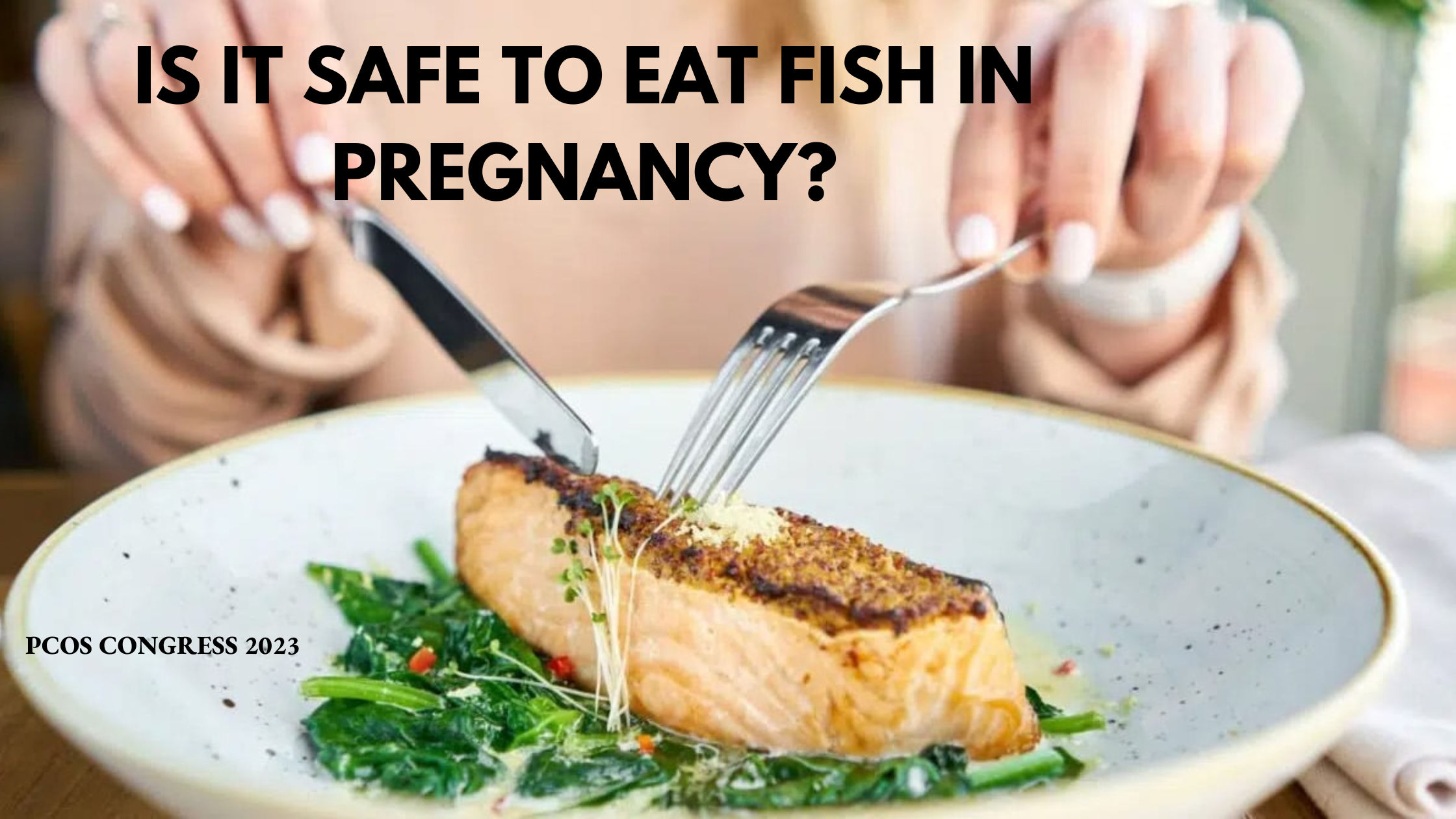
Is it safe to eat fish in pregnancy?

The FDA suggests that women who are pregnant, breastfeeding, or planning to conceive consume more fish. It is recommended that women who are pregnant, breastfeeding, or plan on becoming pregnant consume fish that's low in methyl mercury and polychlorinated biphenyls (PCBs). Fish have vital nutrients including omega-3 fatty acids, vitamins, protein and minerals such as iron. These nutrients are essential, as they stimulate healthy fetal, infant, and childhood development.

Benefits of Eating Fish during Pregnancy

Omega-3 DHA: Omega 3 is one of the most important nutrients that we need during pregnancy.  Omega 3 is necessary for the growth of your baby’s eyes and brain, and the absence of omega 3 is believed to increase the risk of post-natal depression. In high-risk pregnancies, a higher intake of long chain omega 3 has reduced the risk of premature births.

Protein: Protein is necessary to build a baby’s skin, muscle, hair, and bones. Fish and shellfish, dairy like cottage cheese, eggs, beans, peanut butter, and are all good sources of protein.

Vitamin D: Vitamin D helps the body absorb nutrients like calcium, which is necessary to build the baby’s bones, teeth, heart, nerves, and muscles as well as keeps moms’ bones and teeth strong.  Vitamin D may also help reduce the chance of high blood pressure during pregnancy.

Iron: Iron helps in carrying oxygen from a woman’s bloodstream to her baby.  Iron also helps to keep the mother’s immunity strong.


Friday, 1 October 2021

How to cure PCOS permanently?


Unfortunately, there's no cure for PCOS, however overweight and fat ladies will facilitate balance their endocrine levels by losing weight. Otherwise, treatment is geared toward managing symptoms. A large vary of treatment choices will facilitate forestall any potential issues. Polycystic ovary syndrome (PCOS) can't be cured, however the symptoms is managed. Treatment choices will vary as a result of somebody with PCOS could expertise a spread of symptoms, or just 1. The most treatment choices square measure mentioned in additional detail below.

Often misdiagnosed and poorly understood, polycystic ovary syndrome (PCOS) could be a long disorder which will be managed with applicable medical aid. There’s no cure nonetheless, however there square measure many ways you'll be able to decrease or eliminate PCOS symptoms and feel higher. Your doctor could supply completely different medicines which will treat symptoms like irregular periods, acne, excess hair, and elevated blood glucose. Fertility treatments square measure offered to assist ladies get pregnant.

Unrestricted sociosexuality, unrestricted need, romantic interest in ladies, and autoerotism frequency were all absolutely related to PCOS symptoms (including male pattern hair growth). The secretion disorder polycystic ovary syndrome (PCOS) affects one out of each ten ladies throughout their procreative years. Ladies with PCOS usually expertise problems with secretion imbalances, metabolism and, as a result, weight gain.

Friday, 24 September 2021

Does Obesity cause Infertility?

In fact, obesity is the main cause of fertility struggles in six percent of women who have never been pregnant before, says the American Society for Reproductive Medicine (ASRM). Obesity affects infertility by changing the way a woman's body stores sex hormones. A small weight loss can improve fertility and pregnancy health. Eating a healthy diet and exercising regularly improves your chances of getting pregnant and having a healthy baby.

Reducing weight and insulin levels can help some women resume normal ovulation and improved fertility. Studies have shown that losing just 5% of one's body weight can help restore normal ovulation and menstruation, and in turn, increase your ability to conceive. If you are obese (usually defined as having a BMI of 30 or above) and pregnant, do not try to lose weight during your pregnancy. It will not reduce the chance of complications and may not be safe. The best way to protect you and your baby's health is to go to all your antenatal appointments.

Extra weight can make it hard for you to get pregnant. For example, polycystic ovary syndrome, or PCOS, is one of the most common reasons for infertility in women and can also cause obesity. Overweight and obesity affect fertility by: Preventing ovulation. The ideal BMI for getting pregnant is between 18.5 and 24.9. This is known as the healthy range. If you have a high BMI, bringing it closer to the healthy range before trying for a baby will help you get pregnant as well as improving the health of your future pregnancy and child.


Friday, 17 September 2021

Is pcos cause infertility?

PCOS can cause missed or irregular menstrual periods. Irregular periods can lead to Infertility or inability to get pregnancy. In fact, PCOS is one of the most common causes of infertility in women. Development of cysts small fluid filled sacs in the ovaries. Polycystic ovary syndrome (PCOS) is a health problem that affects 1 in 10 women of childbearing age. Women with PCOS have a hormonal imbalance and metabolism problems that may affect their overall health and appearance. PCOS is also a common and treatable cause of infertility.

The exact cause of PCOS is not known. Most experts think


that several factors, including genetics, play a role. Androgens are sometimes called male hormones, although all women make small amounts of androgens. Androgens control the development of male traits, such as male- pattern normal androgen levels in women can prevent the ovaries from releasing an egg during each menstrual cycle, and can cause extra hair growth and acne, two signs of PCOS.

PCOS is the primary cause of hyper androgens and oligo anovulation at the reproductive age and is often associated with infertility and clinical and metabolic disorders. The prevalence of infertility in women with PCOS varies between 70 and 80 per cent. The four types of PCOS are:

·         Insulin resistance PCOS. According to the nutritionist, it occurs in 70 per cent of the cases.

·         Adrenal PCOS. This occurs during a massive stressful period.

·         Inflammatory PCOS. This type of PCOS occurs due to chronic inflammation.

·         Post-pill PCOS.

Is excessive sleeping for pregnant a risk?

Sleeping for over nine hours of the evening, without unsettling influence, during pregnancy might be related with late stillbirth. In the...