Showing posts with label BMI. Show all posts

Thursday, 18 May 2023

Does Obesity cause Infertility?

 In fact, obesity is the main cause of fertility struggles in six percent of women who have never been pregnant before, says the American Society for Reproductive Medicine (ASRM). Obesity affects infertility by changing the way a woman's body stores sex hormones. A small weight loss can improve fertility and pregnancy health. Eating a healthy diet and exercising regularly improves your chances of getting pregnant and having a healthy baby.

Reducing weight and insulin levels can help some women resume normal ovulation and improved fertility. Studies have shown that losing just 5% of one's body weight can help restore normal ovulation and menstruation, and in turn, increase your ability to conceive. If you are obese (usually defined as having a BMI of 30 or above) and pregnant, do not try to lose weight during your pregnancy. It will not reduce the chance of complications and may not be safe. The best way to protect you and your baby's health is to go to all your antenatal appointments.

Extra weight can make it hard for you to get pregnant. For example, polycystic ovary syndrome, or PCOS, is one of the most common reasons for infertility in women and can also cause obesity. Overweight and obesity affect fertility by: Preventing ovulation. The ideal BMI for getting pregnant is between 18.5 and 24.9. This is known as the healthy range. If you have a high BMI, bringing it closer to the healthy range before trying for a baby will help you get pregnant as well as improving the health of your future pregnancy and child.


Thursday, 17 November 2022

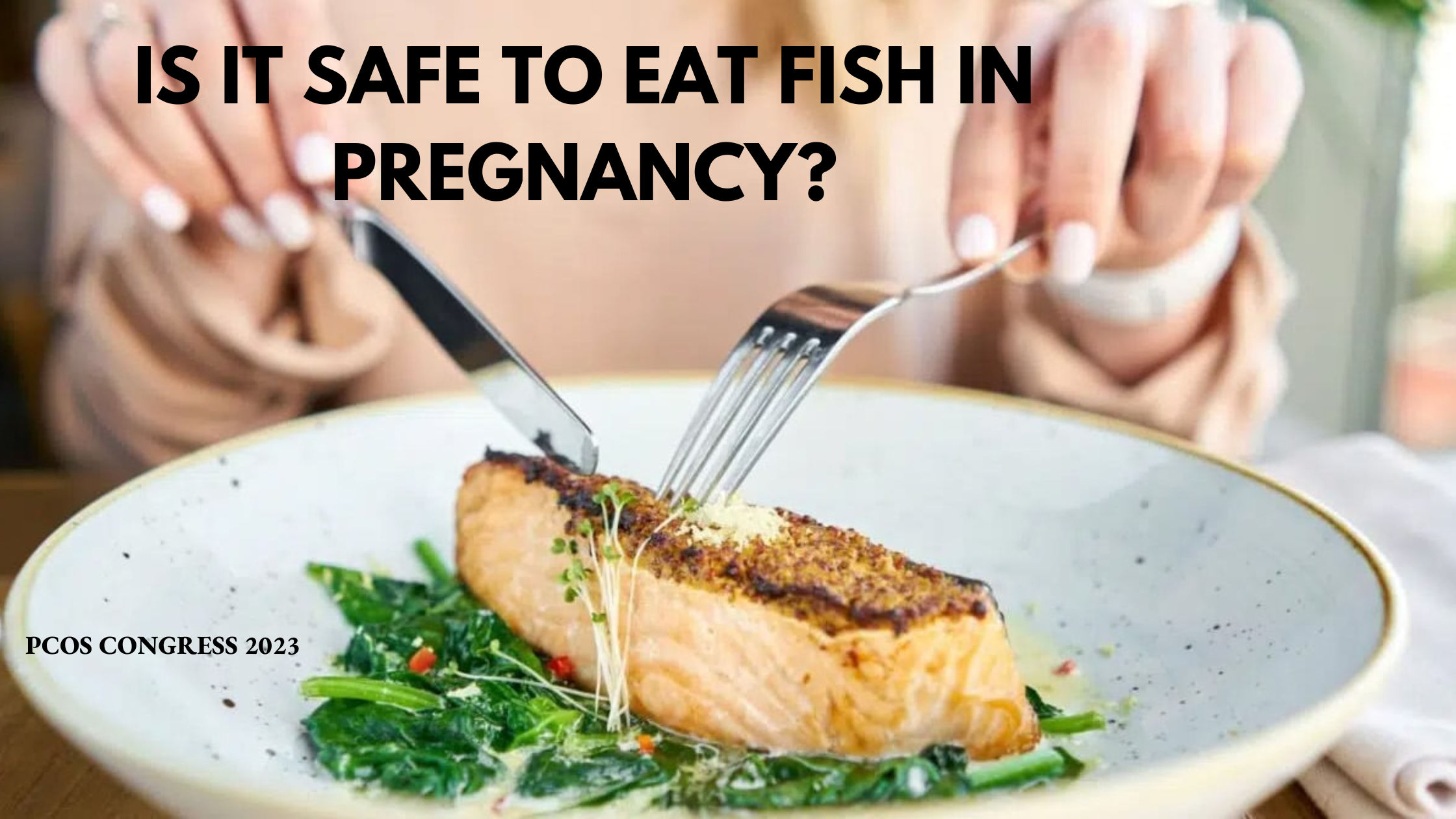
Is it safe to eat fish in pregnancy?

The FDA suggests that women who are pregnant, breastfeeding, or planning to conceive consume more fish. It is recommended that women who are pregnant, breastfeeding, or plan on becoming pregnant consume fish that's low in methyl mercury and polychlorinated biphenyls (PCBs). Fish have vital nutrients including omega-3 fatty acids, vitamins, protein and minerals such as iron. These nutrients are essential, as they stimulate healthy fetal, infant, and childhood development.

Benefits of Eating Fish during Pregnancy

Omega-3 DHA: Omega 3 is one of the most important nutrients that we need during pregnancy.  Omega 3 is necessary for the growth of your baby’s eyes and brain, and the absence of omega 3 is believed to increase the risk of post-natal depression. In high-risk pregnancies, a higher intake of long chain omega 3 has reduced the risk of premature births.

Protein: Protein is necessary to build a baby’s skin, muscle, hair, and bones. Fish and shellfish, dairy like cottage cheese, eggs, beans, peanut butter, and are all good sources of protein.

Vitamin D: Vitamin D helps the body absorb nutrients like calcium, which is necessary to build the baby’s bones, teeth, heart, nerves, and muscles as well as keeps moms’ bones and teeth strong.  Vitamin D may also help reduce the chance of high blood pressure during pregnancy.

Iron: Iron helps in carrying oxygen from a woman’s bloodstream to her baby.  Iron also helps to keep the mother’s immunity strong.


Friday, 1 October 2021

How to cure PCOS permanently?


Unfortunately, there's no cure for PCOS, however overweight and fat ladies will facilitate balance their endocrine levels by losing weight. Otherwise, treatment is geared toward managing symptoms. A large vary of treatment choices will facilitate forestall any potential issues. Polycystic ovary syndrome (PCOS) can't be cured, however the symptoms is managed. Treatment choices will vary as a result of somebody with PCOS could expertise a spread of symptoms, or just 1. The most treatment choices square measure mentioned in additional detail below.

Often misdiagnosed and poorly understood, polycystic ovary syndrome (PCOS) could be a long disorder which will be managed with applicable medical aid. There’s no cure nonetheless, however there square measure many ways you'll be able to decrease or eliminate PCOS symptoms and feel higher. Your doctor could supply completely different medicines which will treat symptoms like irregular periods, acne, excess hair, and elevated blood glucose. Fertility treatments square measure offered to assist ladies get pregnant.

Unrestricted sociosexuality, unrestricted need, romantic interest in ladies, and autoerotism frequency were all absolutely related to PCOS symptoms (including male pattern hair growth). The secretion disorder polycystic ovary syndrome (PCOS) affects one out of each ten ladies throughout their procreative years. Ladies with PCOS usually expertise problems with secretion imbalances, metabolism and, as a result, weight gain.

Friday, 24 September 2021

Does Obesity cause Infertility?

In fact, obesity is the main cause of fertility struggles in six percent of women who have never been pregnant before, says the American Society for Reproductive Medicine (ASRM). Obesity affects infertility by changing the way a woman's body stores sex hormones. A small weight loss can improve fertility and pregnancy health. Eating a healthy diet and exercising regularly improves your chances of getting pregnant and having a healthy baby.

Reducing weight and insulin levels can help some women resume normal ovulation and improved fertility. Studies have shown that losing just 5% of one's body weight can help restore normal ovulation and menstruation, and in turn, increase your ability to conceive. If you are obese (usually defined as having a BMI of 30 or above) and pregnant, do not try to lose weight during your pregnancy. It will not reduce the chance of complications and may not be safe. The best way to protect you and your baby's health is to go to all your antenatal appointments.

Extra weight can make it hard for you to get pregnant. For example, polycystic ovary syndrome, or PCOS, is one of the most common reasons for infertility in women and can also cause obesity. Overweight and obesity affect fertility by: Preventing ovulation. The ideal BMI for getting pregnant is between 18.5 and 24.9. This is known as the healthy range. If you have a high BMI, bringing it closer to the healthy range before trying for a baby will help you get pregnant as well as improving the health of your future pregnancy and child.


Is excessive sleeping for pregnant a risk?

Sleeping for over nine hours of the evening, without unsettling influence, during pregnancy might be related with late stillbirth. In the...